- Europe
- News Desk
- Source: European Parliament https://www.europarl.europa.eu/news/en/press-room/20261018IPR48266/parliament-wants-the-eu-to-designate-the-houthis-as-a-terrorist-group
The European Parliament has urged the Council of the European Union to place the Houthi movement on the EU's list of terrorist organisations, in a resolution adopted on Thursday in Strasbourg. Members of the European Parliament (MEPs) backed the call after a proposal by EU High Representative for Foreign Affairs and Security Policy Kaja Kallas, and demanded that the Houthis immediately halt all hostilities inside and outside Yemen.
Key facts
What does the resolution condemn?
- The European Parliament adopted a resolution on Thursday calling on the Council to list the Houthi movement, including its military and political wings, leadership and security apparatus, as a terrorist organisation.
- MEPs urged the EU to freeze all funds and economic resources belonging to the Houthis and their facilitators, and to dismantle every channel of financing for the movement.
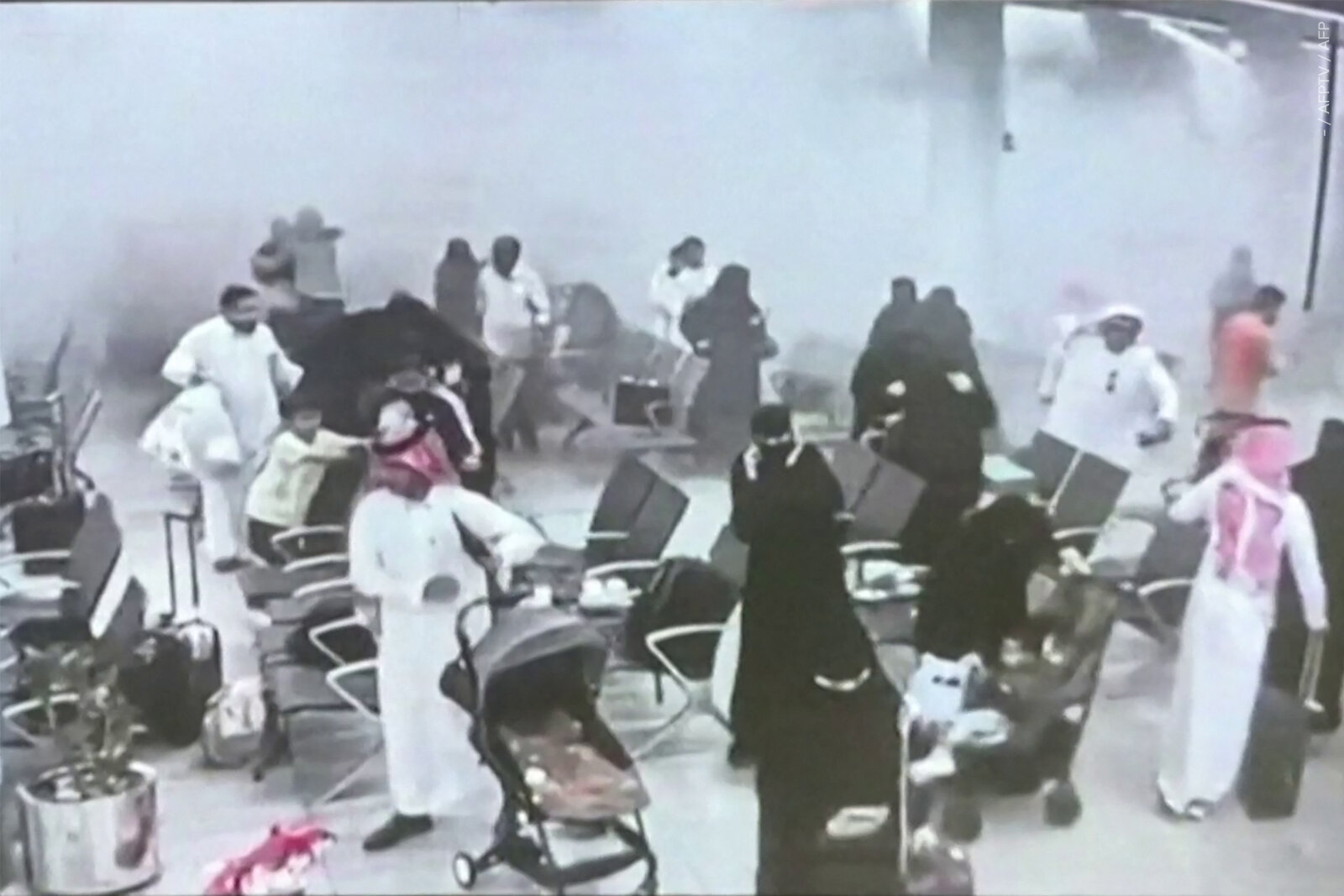
- The resolution condemns Houthi missile and drone attacks on Saudi Arabia, Israel and the United Arab Emirates, as well as a naval blockade of Saudi Arabia and strikes on commercial shipping in the Red Sea and the Bab al-Mandab Strait.
- Parliament called on member states to supply additional, suitably equipped naval and air assets to the EU's defensive ASPIDES maritime security operation, whose expanded mandate it welcomed.
- MEPs voiced concern at the humanitarian crisis in Yemen and called for increased EU aid, including through the forthcoming Global Europe instrument, under strict oversight.
According to the text adopted by the European Parliament, MEPs strongly condemned what they described as unprecedented missile and drone attacks by the Houthis against Saudi Arabia, together with the group's military offensive in Yemen. They called the attacks flagrant violations of international law and international humanitarian law, noting that large numbers of Yemeni civilians have been killed and displaced and that the humanitarian crisis in the country has worsened.
The resolution also denounces Houthi missile and drone attacks against Israel and the United Arab Emirates in recent years. Parliament expressed solidarity with the government of the Kingdom of Saudi Arabia and support for Yemen's legitimate government, reaffirming its commitment to the security, sovereignty and territorial integrity of both countries. How does Parliament view Iran's role?
MEPs strongly condemned what the resolution calls the destabilising role of the Iranian regime, which they said poses a major threat to security and stability across the wider region and supplies the Houthis with weapons, missile and drone technology, training and financing. The text also condemns coordination between the Houthis, Hezbollah and other Iran-backed armed groups, stressing that lasting stability in the Middle East requires the disarmament and demobilisation of all militias and non-state armed groups.
Parliament demanded that the Houthis abandon any territorial ambitions, cease hostilities both within and beyond Yemen, and end their naval blockade of Saudi Arabia and attacks on energy infrastructure and commercial shipping in the Red Sea and the Bab al-Mandab Strait. Why does the Red Sea matter for Europe?
MEPs said they were gravely concerned about the impact on the European Union of simultaneous disruption to maritime traffic through the Bab al-Mandab Strait and the Strait of Hormuz, which they said is driving up energy prices to the detriment of European households, businesses and competitiveness. The resolution highlights the vital role of the EU's defensive ASPIDES maritime security operation and calls on member states to provide it with additional, suitably equipped naval and air assets.
Parliament also called for closer EU cooperation with Gulf partners on security and defence, and welcomed efforts by member states and the United Kingdom to provide air defence support in the region. What happens next?
The resolution is a non-binding call on the Council, which decides on EU terrorist listings, and follows a proposal from High Representative Kallas. MEPs also urged the EU to step up humanitarian aid to Yemen, including through the forthcoming Global Europe instrument, with strict oversight of EU-funded assistance. The plenary debate on the resolution took place on 20 October 2026, days after Parliament's president and Gulf speakers reaffirmed their partnership on 16 October 2026.
Source: European Parliament
 — European Commission President Ursula von der Leyen has received an independent report from the High-Level Reflection Group chaired by Catherine Day on reforming
 — The European Commission has received a report from a High-Level Group chaired by Catherine Day on reforming its civil service, with Commissioner Serafin saying
 — The European Parliament has awarded its 2026 Sakharov Prize for Freedom of Thought to the International Criminal Court and its officials, with President Roberta