
- Europe
- News Desk
- Source: European Commission https://ec.europa.eu/commission/presscorner/detail/en/speech_26_2237
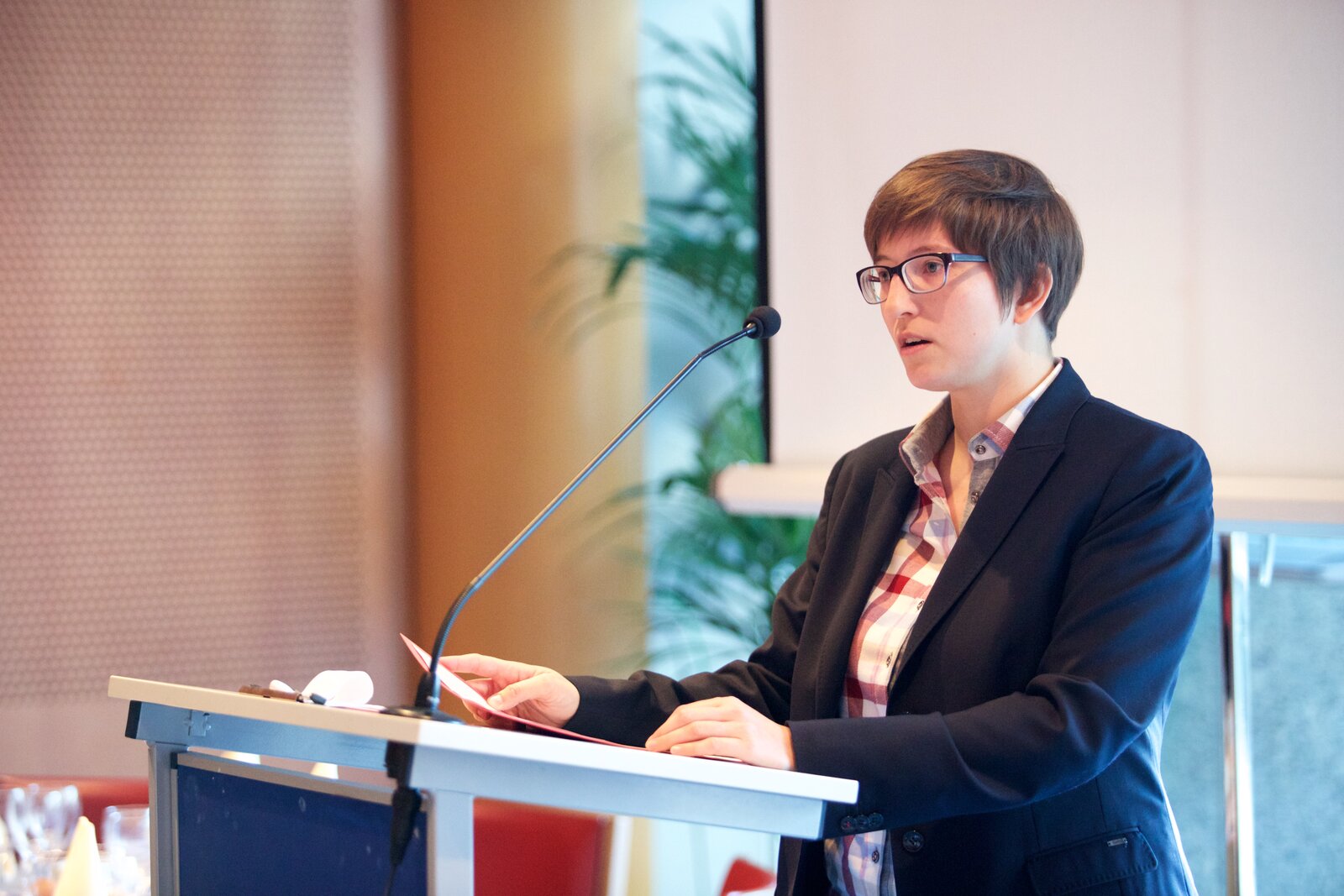
European Commissioner for Financial Services Maria Luís Albuquerque outlined the European Commission's new Arctic strategy and its flagship Savings and Investments Union in a speech to the Nordic Financial Unions conference on Thursday, saying Europe must shape change rather than react to it. The Commission adopted the Joint Communication "Europe's Northern Neighbourhood: A New Strategy for the Arctic" earlier this week, she said.
Key facts
Why is the Arctic strategy relevant to financial resilience?
- European Commissioner Maria Luís Albuquerque addressed the Nordic Financial Unions conference on Thursday; the speech was delivered online because she could not travel to Reykjavik, Iceland.
- The European Commission adopted the Joint Communication "Europe's Northern Neighbourhood: A New Strategy for the Arctic" earlier this week.
- The Commission has issued recommendations on automatic enrolment, pension tracking systems and national pension dashboards, alongside reviews of rules on occupational and personal pension products.
- Albuquerque said the Savings and Investments Union aims to connect Europe's substantial savings with its investment needs, and that the Nordic countries offer valuable examples of citizen participation in capital markets.
Albuquerque linked the Arctic initiative to broader economic resilience, noting that the North Atlantic and the Arctic have moved to the forefront of Europe's strategic attention. She said economic resilience and geopolitical security are increasingly interconnected, and that climate change, digitalisation, geopolitical uncertainty and demographic pressures are transforming Europe's economies and societies. The changes are particularly tangible in Reykjavik and other Nordic capitals, she added. What does the Savings and Investments Union aim to do?
Albuquerque described the Savings and Investments Union as one of her central priorities. She said Europe has substantial savings, enormous investment needs and companies with the potential to become global leaders, but that fragmented financial markets limit opportunities for businesses and citizens. The ambition is to connect savings more effectively with investment and to give citizens access to a broader range of competitive, innovative and trustworthy financial products, she said. "Investing should be an opportunity for the many, not a privilege for the few," Albuquerque said.
She pointed to the Nordic countries as examples, where many citizens participate in capital markets directly through savings and investment accounts or collectively through pension savings. Many Europeans are already connected to capital markets through their pensions, even if they do not think of it that way, she noted. What role for trade unions and social partners?
Albuquerque stressed that financial literacy is essential for people to make informed decisions, understand risks and plan for their future. She said trade unions and social partners have a vital role in bringing financial education into the workplace. She also highlighted the Commission's recommendations on automatic enrolment, pension tracking systems and national pension dashboards, alongside reviews of rules governing occupational and personal pension products. The objective is to help more Europeans build adequate retirement income to complement public pensions, she said.
Albuquerque sought to reassure Nordic audiences that the Commission does not intend to replace well-established occupational pension arrangements or interfere with the autonomy of social partners. "Where well-established occupational pension arrangements already exist through collective agreements, our intention is not to replace them or interfere with the autonomy of social partners," she said. She added that approaches must be adapted to national circumstances and social models, and that the goal is not to impose a single European pension model. What happens next?
Albuquerque did not announce a timeline for further legislative proposals, but her remarks signal that the Commission will continue to promote the Savings and Investments Union and the Arctic strategy in the coming months. The Commission's recommendations on pensions and financial literacy are already on the table, and the Arctic Communication adopted this week sets out the EU's policy framework for the region.
Source: European Commission
 — European Commission President Ursula von der Leyen has received an independent report from the High-Level Reflection Group chaired by Catherine Day on reforming
 — The European Parliament has awarded its 2026 Sakharov Prize for Freedom of Thought to the International Criminal Court and its officials, with President Roberta