- Europe
- News Desk
- Source: European Commission https://ec.europa.eu/commission/presscorner/detail/en/ip_26_2248
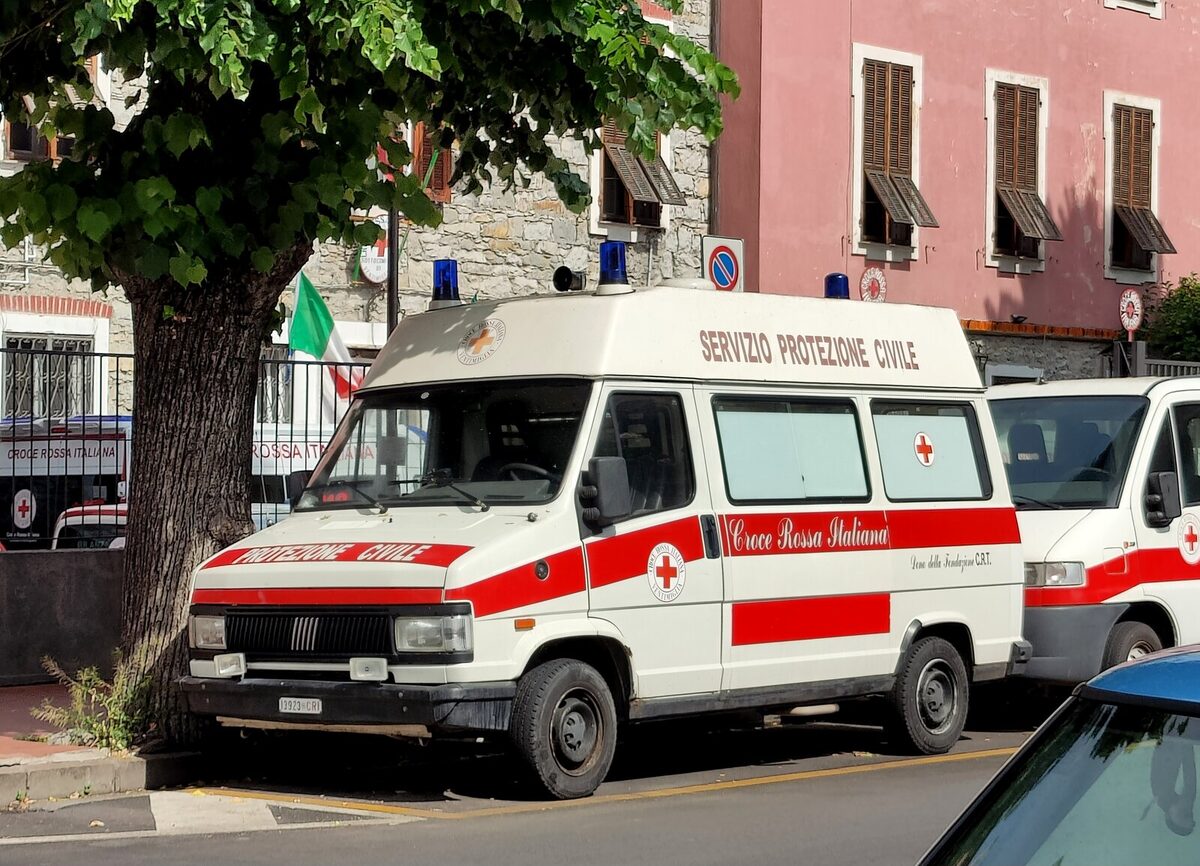
The European Union's Civil Protection Mechanism, which pools emergency resources from 27 member states and 10 partner countries, has been activated more than 900 times by 160 countries and eight international organisations since its creation, the European Commission said as the scheme marked its 25th anniversary. The mechanism was set up in 2001 and allows any country facing a crisis to request European assistance.
Key facts
What has the mechanism done?
- The EU Civil Protection Mechanism was created in 2001 and marks its 25th anniversary in 2026.
- It brings together the 27 EU member states plus 10 participating states: Albania, Bosnia and Herzegovina, Iceland, Moldova, Montenegro, North Macedonia, Norway, Serbia, Türkiye and Ukraine.
- It has been activated more than 900 times by 160 countries and eight international organisations.
- Over the summer of 2026 it was activated 12 times for wildfires, supporting the deployment of 24 firefighting planes, 17 helicopters and 835 firefighters.
- The rescEU strategic reserve includes a permanent firefighting fleet of 22 airplanes and 5 helicopters.
Commission President Ursula von der Leyen marked the anniversary by describing the scheme as one of the clearest expressions of European solidarity. "More than 900 times worldwide, Europe has answered the call for help," she said, adding that the bloc is reinforcing its readiness so it can respond whenever a disaster occurs.
According to the Commission, the mechanism has coordinated relief for wildfires, floods, earthquakes and health emergencies in Europe and beyond. Its operations have ranged from firefighters and rescue teams deployed to disaster zones to medical supplies shipped during the COVID-19 pandemic, citizens repatriated from crisis areas, generators sent to Ukraine and search dogs hunting for survivors after earthquakes. How does the coordination work?
An activation triggers the Emergency Response Coordination Centre, which operates around the clock and mobilises assistance or expertise from participating countries. The centre acts as a hub linking the EU member states, the 10 additional participating states, the affected country and civil protection and humanitarian aid experts.
The mechanism also supports preparation before disasters strike, through joint training and large-scale exercises in which rescue teams from across Europe practise working together. A separate EU Civil Protection Knowledge Network connects responders, scientists and experts to exchange experience and develop new approaches.
In 2014 the EU established the European Civil Protection Pool, made up of response teams voluntarily pre-committed by member states and quality-assured at EU level. The mechanism was upgraded again in 2019 with the creation of rescEU, the bloc's strategic reserve of emergency response capacities. Why is the EU expanding its firefighting capacity?
The Commission says climate change is driving more frequent and more intense natural disasters, making shared resources more important. In her 2026 State of the Union address, von der Leyen said some of Europe's most experienced firefighters and emergency responders would draw up proposals to strengthen disaster preparedness and prevention, improve civil-military cooperation and identify new response capabilities, including a future European firefighting fleet.
Beyond firefighting, the EU is building up early warning systems, scientific cooperation and strategic stockpiles of medical supplies, power generators and other essential equipment. The Commission said the need for this cooperation was shown again in 2026, when the mechanism was activated 12 times over the summer to respond to wildfires, backing the deployment of 24 firefighting planes, 17 helicopters and 835 firefighters.
The anniversary comes as European governments face mounting pressure to fund joint emergency capacity alongside national services. The Commission's stated next step is the work of the expert group announced by von der Leyen, whose proposals on preparedness, prevention and a future European firefighting fleet are intended to shape the bloc's response tools in the years ahead.
Source: European Commission
 — European Commission President Ursula von der Leyen has received an independent report from the High-Level Reflection Group chaired by Catherine Day on reforming
 — The European Commission has received a report from a High-Level Group chaired by Catherine Day on reforming its civil service, with Commissioner Serafin saying
 — The European Parliament has awarded its 2026 Sakharov Prize for Freedom of Thought to the International Criminal Court and its officials, with President Roberta